
Quick rules (don’t skip)
If you remember nothing else, remember this:
Rule #1: Oil only if the chips look/feel dry Rule #2: Use a tiny amount Rule #3: Buff until dry to the touch Rule #4: Test 1 chip first Rule #5: Avoid labels & printed faces
Oiling is optional maintenance—not something you should do regularly “just because.”
When you should (and shouldn’t) oil poker chips
- Chips feel dry/chalky and don’t stack smoothly
- Colors look faded compared to when they were new
- You cleaned the chips and they now feel “raw” or overly dry
- Chips already feel slick or leave residue on fingers
- Chips have paper labels/inlays you could stain or loosen
- Chips are ceramic (usually unnecessary)
- You’re trying to “make them shiny” (that’s how sets get slippery)
What oil to use (and what to avoid)
The safest approach is choosing an oil that’s stable, mild, and unlikely to turn sticky over time—then applying it in tiny amounts.
Mineral oil (use sparingly)
- Stable, doesn’t “dry” into a varnish
- Easy to find and inexpensive
- Works well when applied ultra-thin and buffed
Always test one chip first, especially if your set has any coating or stamp/print.
- Cooking oils (can go rancid and smell bad)
- Spray lubricants (often contain solvents or additives)
- Silicone-heavy products (can make chips slippery and hard to “undo”)
- Harsh cleaners as a “prep” step (can damage finishes)
Which Clay Poker Chips Should be Oiled
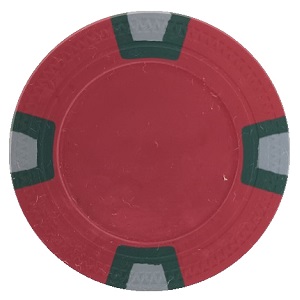
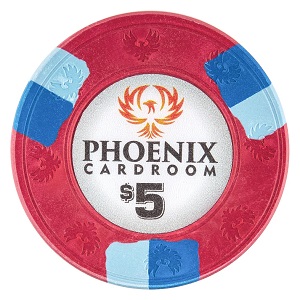
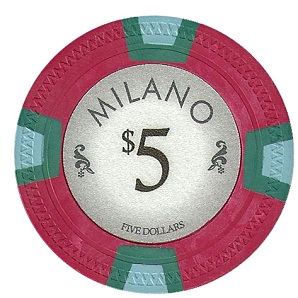
The clay poker chips that are made with the highest levels of clay are the chips that will benefit from oiling. These would be classified as casino-grade clay poker chips. These are usually the chips that have a weight of 10 grams. The casino-grade chips we sell are the Double Trapezoid, Milano, Phoenix Cardroom and Jupiter Club.

Step-by-step: the right way to oil clay poker chips
The #1 mistake is using too much oil. This method keeps it controlled and easy to reverse if needed.
- Mineral oil (a tiny amount)
- 2–3 microfiber cloths (or soft cotton cloths)
- Paper towels (optional for setup, not for buffing)
- A tray or towel to lay chips out
- Clean first if chips are grimy (oiling traps dirt)
- Dry fully before oiling
- Test 1 chip (wait 24 hours to confirm no weird reaction)
The “ultra-thin coat” method
- Put a drop of oil on the cloth (not directly on the chips). Start with less than you think you need.
- Rub the cloth together (fold it) so the oil spreads evenly—your cloth should feel barely damp, not wet.
- Oil a small batch (10–20 chips):
- Wipe each chip quickly on both faces and the edge. Avoid the chip label.
- You are not “soaking” the chip—just applying a whisper-thin layer.
- Immediately buff each chip with a clean, dry cloth until it feels dry to the touch.
- Lay chips flat on a towel for 30–60 minutes, then lightly buff again.
- Cure time: let chips sit out (not stacked tightly) for a few hours or overnight before putting them back in racks.
How much oil is “enough”?
- Colors look slightly richer (subtle, not glossy)
- Chips feel cleaner and stack better
- There’s no slickness and no oily residue
- Chips feel slippery or “floaty” when stacking
- They pick up lint/dust faster than usual
- They feel tacky after sitting (oil + grime = sticky)
Less is always better. You can always repeat a light pass later. Fixing an over-oiled set takes longer.
How to fix slippery chips (too much oil)
Buff more (usually works)
Use a clean dry microfiber cloth and buff each chip firmly. Most “slippery” problems are just unbuffed excess oil.
Air out longer
Lay chips out in a single layer for 24–48 hours, then buff again. Sometimes excess oil just needs time to redistribute.
Light wipe with mild soap (last resort)
If chips are still slick, wipe with a cloth dampened with mild soapy water, then rinse lightly and dry completely. (Avoid soaking, and be cautious with labeled/printed chips.)
Don’t “powder” them
Adding powders can create gunk over time and make chips inconsistent. Fix the cause (excess oil) instead.
Common mistakes (and how to avoid them)
| Mistake | What happens | Better approach |
|---|---|---|
| Pouring oil directly on chips | Over-oiling, uneven coverage, sticky residue | Apply oil to a cloth first, then wipe |
| Oiling dirty chips | Traps grime and makes chips feel worse | Clean and dry first |
| Skipping buffing | Slippery chips that collect lint | Buff until dry to the touch |
| Using cooking oil | Rancid smell over time | Use a stable oil like mineral oil |
| Oiling too often | Buildup and inconsistent feel | Oil only when chips feel/appear dry |
FAQ
How often should I oil clay poker chips?
Usually rarely—only when chips look faded or feel dry/chalky. Many home players do it once after a deep cleaning, then only again if the set truly needs it.
Should I oil clay composite chips too?
Sometimes, but not always. Some clay composite chips benefit from a very light oiling; others don’t need it. Test one chip first and compare it to an un-oiled chip in real lighting and feel.
Can oiling damage printed or labeled chips?
It can. Oil can stain labels, soften adhesives, or affect some finishes. If your chips have labels/inlays or heavy printing, avoid oiling or test very carefully on a single chip first.
Want a recommendation for your exact set?
Tell me what chips you have (brand/material), whether they’re labeled/printed/hot-stamped, and what problem you’re trying to solve (dry feel, faded color, sticky chips). I’ll tell you if oiling is a good idea and the safest way to do it.
Complete Your Game Room Setup
♠️ Poker Essentials
🔥 Best Selling Chips
📖 Guides & Strategy
🎲 Casino Classics
🔴 Poker Chip Styles
© Poker Chip Mania. Educational content for home poker players.